Muhammara

 Add Preferred Source
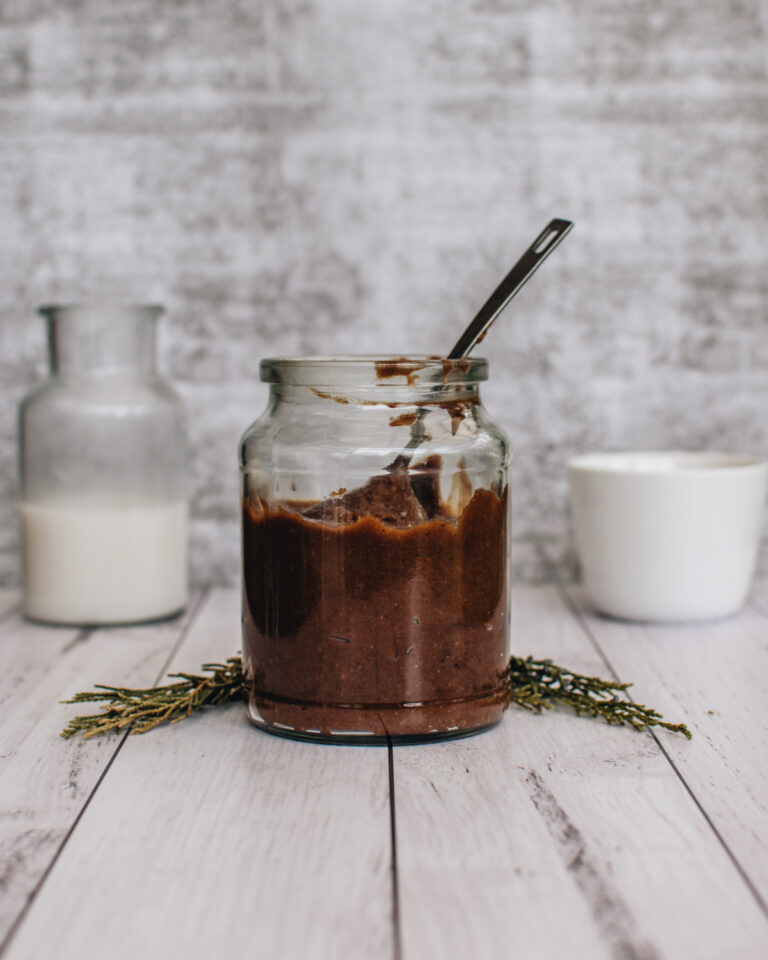
Not everything on a mezze platter stands out, but Muhammara always finds a way to steal the spotlight with smoky roasted peppers, toasted walnuts, and a just-right mix of sweetness and tang from pomegranate molasses, all blended into a thick, scoopable dip. One simple trick makes the peppers easy to peel without losing their soft flesh, and once you try it, it’ll earn a spot in your lineup.

This post contains affiliate links. As an Amazon Affiliate, if you purchase through those links, I earn a commission. Thank you!
Muhammara is one of those dips that always disappear fast, no matter what else is served. It’s perfect for a mezze platter, Mediterranean party food, or as an appetizer for Thanksgiving, Christmas, or Easter. I can make it ahead and stash it in the fridge, which makes hosting easier. It also holds up well the next day for leftovers.
Ingredients You’ll Need
You’ll need all the ingredients shown in the photograph below.

How to Make Muhammara with Step-By-Step Instructions
Scroll down for the full recipe card containing a full printable recipe and measurements in both US customary and metric units.
If you follow these simple steps, you’ll find making Muhammara at home is easier than you think.
Roast the Red Peppers
Preheat your oven to 390°F (200°C). To ensure the temperature remains consistent, I always place this oven thermometer on the middle rack.
Place the whole red bell peppers on a baking tray lined with parchment or foil for easy cleanup. I like using a rimmed baking sheet because the sides help keep the peppers in place, and it heats evenly without warping. I top that with my parchment paper, which doesn’t curl up while baking.
This heavy-duty aluminum foil also works well, as it prevents sticking and saves scrubbing later. Roast them for 30 to 35 minutes, turning them every 10 minutes or so, until the skins are deeply blistered and blackened in several spots. A pair of silicone-tipped tongs makes it easy to turn the peppers without burning your fingers or losing grip.
This charring is what gives the dip its signature smoky flavor. Once roasted, transfer the hot peppers to a heatproof bowl, cover them tightly with clingfilm, and let them steam for 10 to 15 minutes. The steam helps loosen the skins, making them quicker to peel later.
I always grab this glass mixing bowl for this; it handles heat and gives the peppers room to steam. Then I cover it with my silicone stretch lids, which seal tightly and are reusable. A BPA-free plastic wrap works here, too, because it sticks well and seals in the steam.


Peel and Prep the Peppers
When the peppers are cool enough to handle, gently peel off the charred skins. I put on these food prep gloves to keep my hands free from mess. They should slide off easily after steaming, but don’t worry if a few bits cling; it adds a little extra depth to the flavor.
Cut the peppers open, remove the seeds and inner membranes, then pat them dry thoroughly with paper towels to avoid excess moisture in the dip. I use reusable dishcloths instead; they’re reusable, absorbent, and easy to rinse clean.
At this point, you can use kitchen scissors to snip the peppers into smaller, even-sized pieces. I keep a pair of kitchen shears because they’re sharp, and they cut roasted peppers perfectly. It’s a handy step if you prefer a chunkier texture or are mixing the Muhammara by hand or in a mortar and pestle.


Blend the Base
In a mortar and pestle or a food processor, combine the roasted peppers with breadcrumbs, lemon juice, pomegranate molasses, ground cumin, chili flakes, and crushed garlic. I love using this mortar and pestle to give the dip a rustic texture and really work the flavor into every bite. For small-batch dips like this, I also love my mini food processor; it does the job without requiring the big one.
Blend or mash the mixture until everything is well blended but still has a bit of texture. You’re not aiming for a perfectly smooth purée; leaving it slightly chunky gives the Muhammara a more rustic, satisfying bite.


Add Walnuts and Olive Oil
Stir in the finely chopped walnuts, a pinch of salt, and a drizzle of olive oil. I use a silicone spatula here so I can scrape the sides of the bowl. Taste and adjust the seasoning to get a bold, tangy balance. I like to keep this refillable salt and pepper grinder set and oil cruet by the stove so I can adjust any time.
Plate and Serve
Spoon the Muhammara into a shallow serving bowl. When serving, I like using a ceramic serving bowl because it looks great on the table and allows everyone to dig in.
Swirl the top with the back of a spoon and drizzle with a little extra olive oil. Serve at room temperature with warm pita bread for dipping. Enjoy!
If you’re bringing this to a picnic or potluck. I pack mine in this portable food container with locking lids so it doesn’t shift during transport, and the seal prevents any leaks. To keep it at a safe temperature for longer events, I slide the container into an insulated casserole carrier, which fits snugly and stays still.

Recipe Notes and Expert Tips
I’ve found these tips make a big difference when preparing Muhammara at home.
- Let Them Steam: Cover the roasted red pepper after cooking to make the skins easy to peel and concentrate their flavor.
- Dry the Peppers Well: Thoroughly blot the peeled peppers with a paper towel before blending to prevent the dip from becoming watery.
- Snip Instead of Chop: Cut the roasted peppers into even chunks with kitchen scissors before mixing to easily control the texture.
- Don’t Over-Blend: Stop blending while the mixture still has some texture, rather than turning it completely smooth, like tomato paste.
- Taste Before Serving: Check the balance of pomegranate molasses, cumin, and salt, then add a pinch of sumac or red pepper flakes for extra tang or heat.
- Serve at Room Temp: Bring the dip to room temperature and top it with a drizzle of extra-virgin olive oil or a few pomegranate seeds just before serving.
- Try It with More Than Pita: Spread the dip onto sandwiches, scoop it with roasted veggies, or sprinkle it with za’atar for variety.
- For a Syrian Touch: Muhammara has its roots in Syria, especially the Syrian city of Aleppo. If you can find Aleppo pepper or chile flakes, they add just the right depth of warmth and help bring out the dish’s original character.

How to Store Leftovers
Store leftover Muhammara in an airtight container in the fridge for up to 5 days. I keep mine fresh in an airtight glass container because the tight seal prevents it from drying out or absorbing the smells of the fridge.
Stir before serving to redistribute the oil. It’s not ideal for freezing, as the texture can become watery once thawed, but it does hold well in the fridge for make-ahead use.
What to Serve With Muhammara
I enjoy serving Muhammara with warm pita bread, pita chips, or fresh vegetable sticks, such as cucumbers, carrots, or bell peppers. It also pairs well with olives, grilled halloumi, or part of a mezze platter alongside hummus and tabbouleh. It’s also delicious alongside roasted cauliflower, falafel, or stuffed grape leaves for a fuller meal.

More Easy Dip Recipes for You to Try at Home
I’ve got plenty more ideas if you’re into bold dips, easy mezze, and fresh Mediterranean flavors.
- Caramelized Onion Hummus
- Vegan Roasted Pumpkin Hummus
- Vegan Onion Dip
- Vegan Spinach Artichoke Dip
- Lebanese Baba Ganoush

Equipment
Ingredients
- 3 red bell peppers
- 3 tablespoons breadcrumbs
- ½ tablespoon lemon juice
- 1 tablespoon pomegranate molasses
- 1 ½ teaspoons ground cumin
- ½ teaspoon chili flakes
- 1 small garlic clove crushed
- 3 tablespoons walnuts finely chopped
- 2 tablespoons olive oil plus more for serving
- Salt to taste
- Warm pita bread for dipping
Video
Instructions
- Preheat oven to 390°F (200°C). Place peppers on a baking tray and roast for 30–35 minutes, turning occasionally, until skins are blackened.
- Transfer peppers to a bowl, cover with cling film, and let them steam. Once cool, peel off the skins and remove seeds. Pat dry.3 red bell peppers
- In a mortar (or food processor), combine peppers, breadcrumbs, lemon juice, pomegranate molasses, cumin, chili flakes, and garlic. Mash until well blended but still a little chunky.3 tablespoons breadcrumbs, ½ tablespoon lemon juice, 1 tablespoon pomegranate molasses, 1 ½ teaspoons ground cumin, ½ teaspoon chili flakes, 1 small garlic clove
- Stir in walnuts, salt, and olive oil. Adjust seasoning—dip should taste bold and tangy.3 tablespoons walnuts, 2 tablespoons olive oil, Salt
- Spoon into a shallow bowl, swirl the top, and drizzle with olive oil. Enjoy at room temperature with warm pita bread.Warm pita bread
Notes
- Let Them Steam: Cover the roasted red pepper after cooking to make the skins easy to peel and concentrate their flavor.
- Dry the Peppers Well: Thoroughly blot the peeled peppers with a paper towel before blending to prevent the dip from becoming watery.
- Snip Instead of Chop: Cut the roasted peppers into even chunks with kitchen scissors before mixing to easily control the texture.
- Don’t Over-Blend: Stop blending while the mixture still has some texture, rather than turning it completely smooth, like tomato paste.
- Taste Before Serving: Check the balance of pomegranate molasses, cumin, and salt, then add a pinch of sumac or red pepper flakes for extra tang or heat.
- Serve at Room Temp: Bring the dip to room temperature and top it with a drizzle of extra-virgin olive oil or a few pomegranate seeds just before serving.
- Try It with More Than Pita: Spread the dip onto sandwiches, scoop it with roasted veggies, or sprinkle it with za’atar for variety.
- For a Syrian Touch: Muhammara has its roots in Syria, especially the Syrian city of Aleppo. If you can find Aleppo pepper or chile flakes, they add just the right depth of warmth and help bring out the dish’s original character.