Tofu Talk: Your Burning Questions About this Vegan Staple!
Are you a vegan or someone transitioning to a plant-based diet? If so, you’ve probably heard a lot about tofu. But what exactly is it? And why is it such a prominent ingredient in the vegan community?
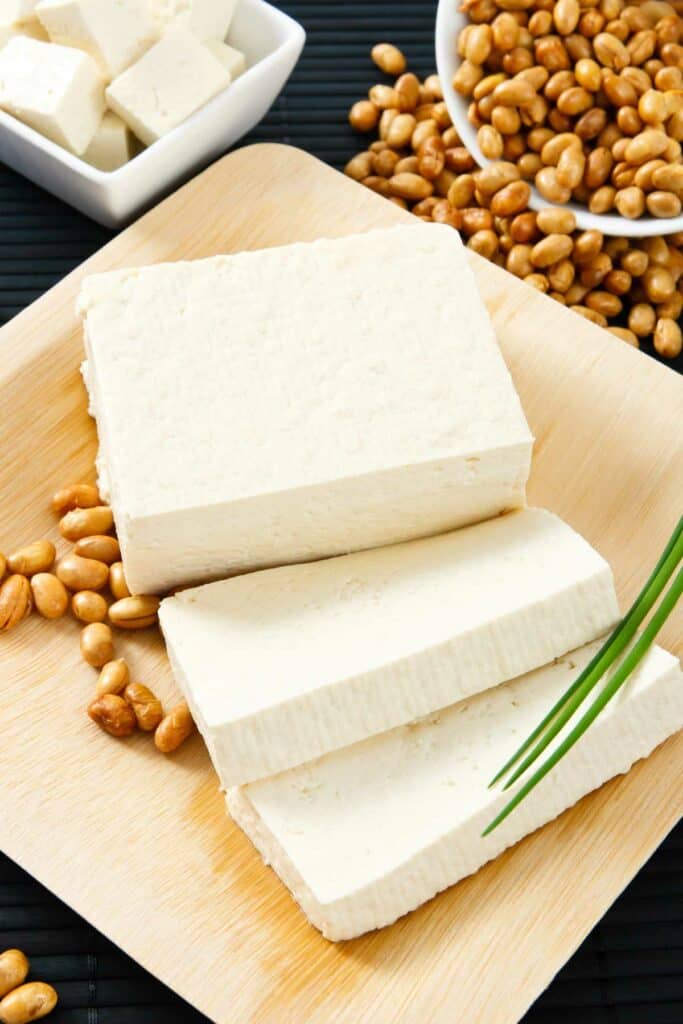
In this comprehensive guide, we will delve into the core interests, concerns, and desires that vegans and people transitioning to a plant-based diet have regarding tofu. From its nutritional value and versatility to addressing taste and texture concerns, we will cover all aspects of tofu to provide you with the information you need.
Key Takeaways
- Discover the nutritional value of tofu and its role in a healthy vegan diet.
- Learn about the versatility of tofu and explore different ways to incorporate it into your recipes.
- Understand how tofu can serve as a plant-based alternative to animal products.
- Consider the ethical and environmental concerns associated with tofu production.
- Find expert tips for overcoming preconceptions about tofu’s taste and texture.
Nutritional Value of Tofu: A Powerhouse of Protein and Nutrients
Discover the incredible nutritional value of tofu, which serves as an essential source of protein, vitamins, and minerals. Tofu is a plant-based powerhouse that can play a crucial role in meeting the dietary needs of individuals transitioning to a vegan diet.
For those seeking to incorporate more plant-based options into their meals, tofu offers numerous health benefits. It is packed with high-quality protein, making it an excellent meat substitute. Tofu is also a valuable source of essential amino acids, which are vital for building and repairing tissues in the body.
Furthermore, tofu is rich in minerals such as calcium, iron, and manganese, which are essential for maintaining strong bones, supporting oxygen transport, and promoting healthy metabolic functions. It also contains vitamin E, a powerful antioxidant that helps protect cells from damage caused by free radicals.

The Role of Tofu in Maintaining a Healthy Lifestyle
When transitioning to a vegan diet, it’s important to ensure you are getting all the nutrients your body needs. Tofu can play a crucial role in meeting your nutritional requirements. Here are some key reasons why tofu should be a part of your plant-based journey:
- Rich in Protein: Tofu is an excellent source of plant-based protein, providing all nine essential amino acids that the body cannot produce on its own.
- Vitamin and Mineral Boost: Tofu offers a wide range of vitamins and minerals, including calcium, iron, manganese, and vitamin E, which are essential for overall health and well-being.
- Low in Saturated Fat: Tofu is naturally low in saturated fats and cholesterol, making it a heart-healthy choice.
- May Aid in Weight Management: With its high protein and low-calorie content, tofu can help keep you feeling full and satisfied, making it a valuable addition to a balanced diet for weight management.
“Tofu is a nutritious and versatile ingredient that can be enjoyed in a variety of delicious recipes. Incorporating tofu into your meals can help support a healthy lifestyle and provide the essential nutrients your body needs.”
Whether you’re a transitioning vegan or simply looking to add more plant-based options to your diet, understanding the nutritional benefits of tofu is essential. By including tofu in your meals, you can enjoy the health benefits it provides while savoring its delicious taste and satisfying texture.
Versatility: Tofu as a Versatile Ingredient in Various Cuisines
When it comes to incorporating tofu into a plant-based diet, the possibilities are endless. Known for its versatility, tofu offers a wealth of culinary opportunities that appeal to both vegans and individuals transitioning to a plant-based lifestyle. Whether you are looking to add protein-rich dishes to your menu or explore new flavors and textures, tofu can be a game-changer in your kitchen.

One of the key reasons why tofu is so versatile is its ability to absorb flavors. By marinating or seasoning tofu, you can infuse it with a wide range of delicious tastes. This allows tofu to adapt to various cuisines and complement different dishes perfectly. From Asian-inspired stir-fries to Mexican-inspired tacos and Mediterranean-inspired salads, tofu can be easily incorporated into recipes from around the world.
To help you unleash your cooking creativity, here are some ideas for incorporating tofu into your plant-based meals:
- Tofu Stir-Fries: Create vibrant and flavorful stir-fries by combining tofu with your favorite vegetables, aromatic spices, and savory sauces. The tofu absorbs the flavors of the other ingredients, resulting in a delicious and balanced dish.
- Tofu Scramble: Replace scrambled eggs with scrambled tofu for a hearty and protein-packed breakfast. Add your choice of vegetables, herbs, and spices to customize the flavor and create a satisfying morning meal.
- Tofu Tacos: Crumble firm tofu and season it with Mexican-inspired spices like cumin, chili powder, and paprika. Sauté the tofu until it’s crispy and use it as a filling for tacos, along with your favorite toppings and salsas.
- Tofu Buddha Bowls: Build colorful and nutritious Buddha bowls by combining tofu, grains, roasted vegetables, leafy greens, and a flavorful dressing. The versatility of tofu allows it to complement the other ingredients and add a protein-packed element to the bowl.
These are just a few examples of how you can incorporate tofu into your plant-based meals. With tofu as your culinary canvas, the options are limitless. Embrace the versatility of this vegan staple and let your creativity shine in the kitchen.
Quoting Chef David Kim:
“Tofu’s versatility in the kitchen is truly remarkable. As a vegan chef, I love how it can take on a wide range of flavors and textures, allowing me to create diverse and satisfying plant-based dishes. From simple stir-fries to elegant tofu-based desserts, tofu has undoubtedly earned its place as a kitchen essential for those seeking a versatile and nutritious ingredient.”
| Tofu Recipe | Cuisine | Description |
|---|---|---|
| Tofu Pad Thai | Thai | A classic Thai stir-fry dish with rice noodles, tofu, vegetables, and a tangy sauce. |
| Tofu Tikka Masala | Indian | Aromatic and flavorful curry dish with tofu, spices, tomatoes, and creamy coconut milk. |
| Tofu and Vegetable Tempura | Japanese | Light and crispy battered tofu and mixed vegetables, perfect for dipping in soy sauce or tempura sauce. |
| Tofu Caprese Salad | Italian | A twist on the classic Caprese salad using tofu instead of mozzarella, accompanied by juicy tomatoes and fresh basil. |
As you can see, tofu seamlessly fits into various cuisines, allowing you to explore different flavors and textures while enjoying the benefits of a plant-based diet. So, why not embrace the versatility of tofu and elevate your meals to a whole new level?

Substitution for Animal Products: Tofu as a Plant-Based Alternative
When transitioning to a vegan lifestyle, finding suitable replacements for animal products is crucial. Tofu, with its incredible versatility and nutritional value, makes for an excellent plant-based alternative. In this section, we will address common misconceptions about tofu and highlight its importance in a vegan diet.
Myth: Tofu is bland and tasteless.
Tofu has long been plagued by the misconception that it lacks flavor. However, this couldn’t be further from the truth. Tofu acts as a sponge, easily absorbing the flavors of marinades, sauces, and spices, making it a blank canvas for culinary creativity. Its mild taste allows it to adapt to a wide range of dishes, from savory stir-fries to creamy desserts.
Myth: Tofu lacks nutrients.
Tofu is a nutritional powerhouse packed with essential nutrients. It is an excellent source of plant-based protein, containing all nine essential amino acids. Additionally, tofu is rich in calcium, iron, magnesium, and other vital minerals, making it a valuable addition to a vegan diet.
Myth: Tofu is processed and unhealthy.
Contrary to popular belief, tofu is made by curdling soy milk, a natural and minimally processed ingredient. It doesn’t contain any artificial additives or preservatives. Moreover, tofu is low in saturated fat and cholesterol-free, making it a healthier alternative to animal-based proteins.
Myth: Tofu is difficult to cook with.
While tofu may seem intimidating for beginners, it is actually quite versatile and easy to work with. There are various types of tofu, each suitable for different dishes and cooking methods. Silken tofu is perfect for blending into smoothies and sauces, while firm and extra-firm tofu can be grilled, stir-fried, baked, or even used as a meat substitute in recipes.

By busting these misconceptions, we aim to showcase the importance of incorporating tofu into a vegan diet. Its ability to mimic the texture of meat and absorb flavors makes it an excellent substitute in a wide range of dishes.
Ethical and Environmental Concerns: Choosing Sustainable Tofu
When it comes to incorporating tofu into your plant-based diet, ethical and environmental considerations play a significant role. Many individuals are concerned with the impact of their food choices on animal welfare and the environment. Fortunately, there are sustainable tofu brands that align with these values, allowing you to enjoy this versatile ingredient without compromising your beliefs.
Tofu, made from soybeans, has been associated with deforestation and habitat destruction due to the high demand for soybeans worldwide. Additionally, conventional soybean farming often involves the use of synthetic fertilizers and pesticides, which further contribute to environmental degradation. To address these concerns, it is important to choose tofu brands that prioritize sustainable sourcing practices and minimize their environmental footprint.
“Our commitment to ethical and sustainable practices is at the heart of our tofu production.”
At Tofu Delight, we understand the ethical and environmental concerns surrounding tofu. That’s why we have implemented a strict selection process for sourcing our organic, non-GMO soybeans from local farmers who follow sustainable farming practices. By prioritizing responsible sourcing, we ensure that our tofu is not only delicious but also minimizes its impact on the environment.
When choosing a sustainable tofu brand, look for certifications such as organic, non-GMO, and Fair Trade. These certifications guarantee that the tofu you purchase meets specific standards related to environmental sustainability and fair treatment of farmers. By supporting these brands, you are contributing to a more ethical and eco-friendly food system.
Sustainable Tofu Brands
| Brand | Certifications | Key Features |
|---|---|---|
| Tofu Delight | Organic, non-GMO, Fair Trade | – Locally sourced soybeans – Sustainable farming practices – Ethically produced |
| Nature’s Choice | Organic, non-GMO | – Environmentally conscious packaging – Transparent supply chain – Supports small farmers |
| Green Harvest | Organic, non-GMO, Fair for Life | – Regenerative agriculture practices – Fair wages for farmers – Socially responsible company |
By opting for these sustainable tofu brands, you can enjoy the nutritional benefits and culinary versatility of tofu while making a positive impact on the planet. Choose brands that align with your ethical and environmental values and be part of the movement towards a more sustainable future.
Taste and Texture: Overcoming Preconceptions about Tofu
One of the most common concerns that individuals have about tofu is its taste and texture. Some may find it bland or too soft, leading them to believe that tofu cannot create delicious and satisfying meals. However, with a few simple cooking tips and techniques, you can transform tofu into a flavorful and enjoyable culinary experience.
Addressing Taste Concerns
To enhance the taste of tofu, marinating is key. By allowing tofu to soak up the flavors of marinades, you can infuse it with delicious seasonings that complement your dish. Try marinating tofu in a mixture of soy sauce, garlic, ginger, and a touch of sweetness for an Asian-inspired twist. Alternatively, experiment with a blend of herbs, spices, and olive oil for a Mediterranean-inspired flavor profile.
“Marinating tofu is like giving it a burst of flavor that takes it from simple to sensational.”

Beyond marinades, consider using flavorful sauces and dressings to accompany your tofu dishes. Whether it’s a tangy barbecue sauce, a rich teriyaki glaze, or a zesty Thai peanut sauce, incorporating these sauces can transform the taste of tofu and elevate your meals to new heights.
Enhancing Texture with Cooking Techniques
Texture is another aspect where tofu may need some attention. For a firmer and chewier texture, consider pressing the tofu before cooking. This removes excess moisture and allows the tofu to absorb marinades and sauces more effectively. Use a tofu press or wrap the tofu in a clean kitchen towel and place a heavy object on top to gently squeeze out the water.
Another technique to enhance texture is pan-frying or baking tofu. These methods create a crispy exterior while retaining a soft and tender interior. Lightly coat tofu in cornstarch or breadcrumbs before frying or baking to achieve that desirable crunchy texture. Add your favorite seasonings or spices to the coating for extra flavor.
For a unique texture experience, try grilling or barbecuing tofu. The high heat lends a smoky flavor and creates grill marks that add visual appeal to your dish. Brush the tofu with a marinade or sauce of your choice and grill it until it develops a beautiful char and slight crispness.
Achieving the Perfect Balance
Experimentation is key when it comes to finding the taste and texture balance that suits your preferences. Don’t be afraid to try different cooking methods, marinades, and flavor combinations. With practice, you’ll discover the perfect way to prepare tofu—a versatile ingredient that can please both your taste buds and texture preferences.
| Common Taste Concerns with Tofu | Easy Cooking Tips |
|---|---|
| Tofu is bland and lacks flavor | – Marinate tofu for at least 30 minutes to infuse it with delicious flavors – Use flavorful sauces and dressings to complement tofu dishes |
| Tofu has a soft and mushy texture | – Press tofu before cooking to remove excess moisture and improve texture – Try pan-frying or baking tofu for a crispy exterior and tender interior – Grill or barbecue tofu for a smoky flavor and attractive grill marks |

Digestibility: Understanding How to Enjoy Tofu without Discomfort
When it comes to incorporating tofu into your diet, it’s essential to understand its digestibility, particularly for individuals with allergies or sensitivities. While tofu is generally considered easy to digest, some people may experience discomfort or adverse reactions. In this section, we will explore the issues related to the digestibility of tofu and provide insights on how to enjoy tofu without any discomfort.
The Digestibility of Tofu
Tofu, made from soybeans, is a plant-based protein that offers numerous health benefits. Due to its natural composition, it is generally considered to be easily digestible. However, some individuals may experience digestive issues or discomfort when consuming tofu. It’s important to note that individual tolerances and sensitivities vary, so it’s crucial to pay attention to your body’s response to tofu consumption.
If you are unsure about your tolerance for tofu or have experienced discomfort in the past, it’s recommended to introduce it slowly into your diet. Begin with small portions and gradually increase the amount over time to allow your body to adjust.

Addressing Allergies and Sensitivities
Some individuals may have allergies or sensitivities to soy, the main ingredient in tofu. To enjoy tofu without discomfort, it’s essential to identify and address any allergies or sensitivities you may have. If you suspect that you have a soy allergy or sensitivity, it’s best to consult a healthcare professional for accurate diagnosis and guidance.
If you have a known soy allergy or sensitivity, it’s important to avoid consuming tofu to prevent any adverse reactions. Fortunately, there are various alternatives available that can provide similar nutritional benefits and culinary versatility. Some options to consider include tempeh, a fermented soy product, or seitan, a protein-rich wheat gluten product.
Enjoying Tofu without Discomfort
If you do not have any allergies or sensitivities to tofu, there are several steps you can take to enhance its digestibility and minimize discomfort:
- Choose organic and non-GMO tofu: Opting for organic tofu made from non-genetically modified soybeans can help ensure that you are consuming a high-quality product.
- Properly cook tofu: Cooking tofu thoroughly can improve its digestibility. Whether you are pan-frying, baking, or stir-frying tofu, ensure that it is cooked until it reaches an internal temperature of 160°F (71°C).
- Experiment with different textures: Some individuals find that certain textures of tofu are easier to digest than others. Try different types of tofu, such as silken, soft, or firm, to find the one that works best for you.
- Pair tofu with digestive aids: Adding digestive aids, such as ginger or turmeric, to tofu dishes can help promote digestion and minimize any discomfort that may arise.
“Listening to your body and being aware of any discomfort is key to enjoying tofu without any adverse effects.” – Dr. Sarah Johnson, Nutritionist
By following these tips and listening to your body, you can enjoy the nutritional benefits of tofu while minimizing any potential discomfort. Remember, each individual’s tolerance may vary, so it’s important to find what works best for you.
Genetically Modified Organisms (GMOs): Addressing Concerns with Tofu

Genetically modified organisms (GMOs) have sparked concerns among individuals transitioning to a plant-based diet. As tofu is derived from soybeans, which are often genetically modified, it is essential to address these concerns and provide reassurance to those seeking non-GMO options.
At [Brand Name], we understand the importance of offering tofu products that align with your values and meet your dietary preferences. Our commitment to sourcing non-GMO ingredients ensures that you can enjoy tofu with peace of mind.
“We believe in providing wholesome, natural, and non-GMO tofu options for individuals transitioning to a plant-based diet. It is important to us that our customers have access to tofu products that are both delicious and aligned with their concerns about GMOs.” – [Brand Representative Name], [Brand Name]
By choosing [Brand Name] tofu, you can confidently incorporate this versatile ingredient into your meals, knowing that it is free from genetically modified organisms. We prioritize transparency and clarity, ensuring that our tofu is made from non-GMO soybeans sourced from reputable farmers who share our commitment to sustainability and ethical practices.
“We work closely with our farmers to ensure that only non-GMO soybeans are used in the production of our tofu. This allows us to maintain the high quality and nutritional value of our products while addressing concerns about GMOs.” – [Brand Representative Name], [Brand Name]
To further assist you in making informed choices, we have compiled a table showcasing popular tofu brands that prioritize non-GMO sourcing:
| Brand | Non-GMO Certification | Product Range |
|---|---|---|
| [Brand Name 1] | Non-GMO Project Verified | [Product Range] |
| [Brand Name 2] | Non-GMO Project Verified | [Product Range] |
| [Brand Name 3] | USDA Certified Organic | [Product Range] |
These brands are dedicated to delivering tofu products that meet the highest standards of quality and sourcing. Incorporating their tofu into your meals ensures that you are making a conscious choice in line with your concerns about GMOs.

“When selecting tofu, it’s important to look for brands that prioritize non-GMO sourcing. The Non-GMO Project Verified seal and USDA Certified Organic labels provide reassurance that the tofu you are choosing is made from non-GMO ingredients.” – [Nutritionist Name], Registered Dietitian
By educating ourselves about GMOs and supporting brands that prioritize non-GMO sourcing, we can make choices that align with our health, environmental, and ethical concerns. With [Brand Name] tofu and other non-GMO options, you can enjoy the nutritional benefits of tofu while staying true to your values.
Tasty Recipes and Cooking Tips: Elevating Tofu in Your Meals
Unleash your culinary creativity with a collection of delicious tofu recipes and cooking tips designed especially for vegans and transitioning vegetarians. Discover new ways to prepare tofu, exploring its potential to elevate your plant-based meals to flavorful heights.
Refreshing Tofu Salad
Beat the summer heat with a refreshing tofu salad that combines crisp vegetables, tangy dressing, and the creaminess of tofu. This salad is a perfect light lunch or dinner option.

Information on Tofu Types and Brands: Navigating the Options
When it comes to tofu, there are various types and brands available on the market. We understand that choosing the right tofu can be overwhelming, especially for those new to the world of plant-based eating. To help you make informed decisions, we have compiled valuable information on different tofu types and some of the best brands that cater to vegans’ needs.
Types of Tofu
Tofu comes in different textures and consistencies, each suitable for various culinary applications. Here are some common types of tofu:
| Type of Tofu | Description |
|---|---|
| Silken Tofu | This tofu has a smooth and custard-like texture. It works well in recipes that require blending or in soups. |
| Firm Tofu | Firm tofu holds its shape well and is ideal for stir-frying, grilling, or sautéing. |
| Extra-Firm Tofu | Extra-firm tofu has the firmest texture and holds up well in recipes that require slicing or cubing. |
These are just a few examples of the tofu types available. Experimenting with different types will allow you to discover your preferences and the best choice for your desired recipes.
Best Tofu Brands for Vegans
Choosing the right tofu brand is crucial to ensure quality and taste. Here are some highly recommended tofu brands for vegans:
- Mori-Nu
- Nasoya
- House Foods
- Hodo
- Wildwood
These brands are known for their commitment to producing high-quality tofu, ensuring it meets the needs of vegans in terms of taste, texture, and ethical considerations. Whether you’re using tofu for a stir-fry, tofu scramble, or a delicious dessert, these brands offer a reliable and consistent tofu experience.
Remember, while we provide recommendations, it’s always a good idea to read product labels and reviews to ensure the tofu you choose meets your specific dietary requirements and preferences.
By familiarizing yourself with the different types of tofu and exploring the best brands available, you can navigate the world of tofu with confidence. Whether you’re looking for a creamy silken tofu or a firm option for grilling, you’ll be equipped with the knowledge to select the perfect tofu for your culinary adventures.
Conclusion
In conclusion, tofu is a versatile and nutrient-packed vegan staple that caters to the desires of vegans and individuals transitioning to a plant-based lifestyle. Throughout this comprehensive guide, we have addressed common concerns, highlighted its nutritional value, and provided tips and insights to help you fully embrace tofu as a delicious and nourishing addition to your meals.
By incorporating tofu into your diet, you can enjoy the benefits of its protein-rich composition, essential vitamins, and minerals. Its versatility allows you to explore an array of cuisines, creating flavorful and satisfying dishes for every palate. Whether you’re a seasoned vegan or just starting your plant-based journey, tofu offers endless possibilities in the kitchen.

From substituting animal products to choosing sustainable tofu brands, we have navigated various aspects to help you make informed choices that align with your ethical and environmental values. Overcoming taste and texture preconceptions has never been easier, as we have provided expert tips and tricks to enhance your tofu dishes and make them enjoyable for everyone.
Now, armed with knowledge about different tofu types and brands, along with a collection of tasty recipes and cooking tips, it’s time to unlock your culinary creativity and elevate your plant-based meals to new heights. Embrace the delicious possibilities tofu brings to your table and enjoy the nourishing qualities it offers as a key ingredient in your vegan lifestyle.
FAQ
What are the health benefits of tofu for transitioning individuals?
Tofu is a nutritional powerhouse, rich in protein, vitamins, and minerals. It can provide essential nutrients to individuals transitioning to a vegan diet, supporting their overall health and well-being.
How can I incorporate tofu into a plant-based diet?
Tofu is incredibly versatile and can be used in a variety of dishes. You can add it to stir-fries, salads, sandwiches, or even blend it into smoothies. Experiment with different recipes to discover new and exciting ways to enjoy tofu.
What is the importance of tofu in a vegan diet?
Tofu is an excellent source of plant-based protein and can help vegans meet their daily protein requirements. It also offers essential nutrients and can be a valuable substitution for animal products in terms of taste, texture, and nutrition.
How can I address taste and texture concerns with tofu?
If you’re new to tofu or have concerns about its taste and texture, there are several cooking tips to make it more enjoyable. For example, marinating tofu before cooking can enhance its flavor, while pressing it can improve its texture. Experiment with different cooking methods to find what works best for you.
Are there any easy tofu cooking tips for transitioning vegetarians?
Absolutely! One tip is to start with firm or extra-firm tofu, as it has a more meat-like texture. You can also try crumbling tofu to mimic scrambled eggs or blending it to create creamy sauces and dressings. Don’t be afraid to get creative and have fun experimenting in the kitchen!
What are some common misconceptions about tofu for new vegans?
One common misconception is that tofu is bland or tasteless. The truth is, tofu absorbs flavors well and can be seasoned or marinated to suit your taste preferences. Additionally, some people worry that tofu is genetically modified, but there are non-GMO tofu options available.
Are there any ethical and environmental concerns associated with tofu?
Some individuals may have concerns about the environmental impact of tofu production. To address this, you can choose tofu brands that prioritize sustainable and eco-friendly practices, helping reduce your carbon footprint and supporting a more ethical lifestyle.
How can I overcome digestibility issues with tofu?
While tofu is generally well-tolerated, some people may experience digestive discomfort. If you have allergies or sensitivities, it’s important to listen to your body and consult a healthcare professional. You can also try different types of tofu, such as silken tofu, which may be easier to digest.
Are there any concerns about genetically modified organisms (GMOs) in tofu?
Some individuals may have concerns about GMOs and their connection to tofu. To ensure peace of mind, look for tofu brands that prioritize non-GMO sourcing. Reading labels and doing research can help you make informed choices when selecting tofu as part of your plant-based diet.
What are some tasty tofu recipes for vegans?
There is a wide range of delicious tofu recipes for vegans to enjoy! Some popular options include tofu stir-fries, tofu scrambles, crispy tofu tacos, and tofu-based desserts like chocolate mousse. Get creative in the kitchen and explore the exciting world of tofu-based recipes!
Can you provide information on different types of tofu and the best brands?
There are various types of tofu available, including firm, extra-firm, and silken tofu. The best tofu brands for vegans may vary depending on personal preferences and availability. Some well-known brands include Nasoya, Mori-Nu, and House Foods. Experiment with different brands and tofu types to find your favorites.